
View all photos →
Day-by-Day Program
One driver, your vehicle, 14 days. Everything below is a starting framework — we customise it around you.
Arrive and settle into your riad in the medina. Begin with the Djemaa el-Fna at its morning best — orange juice stalls, storytellers, acrobats. Visit the Ben Youssef Madrasa, the Saadian Tombs and the El Badi Palace. Afternoon: Majorelle Garden and the Yves Saint Laurent Museum. Evening on the rooftop terraces around the square as the night market begins.
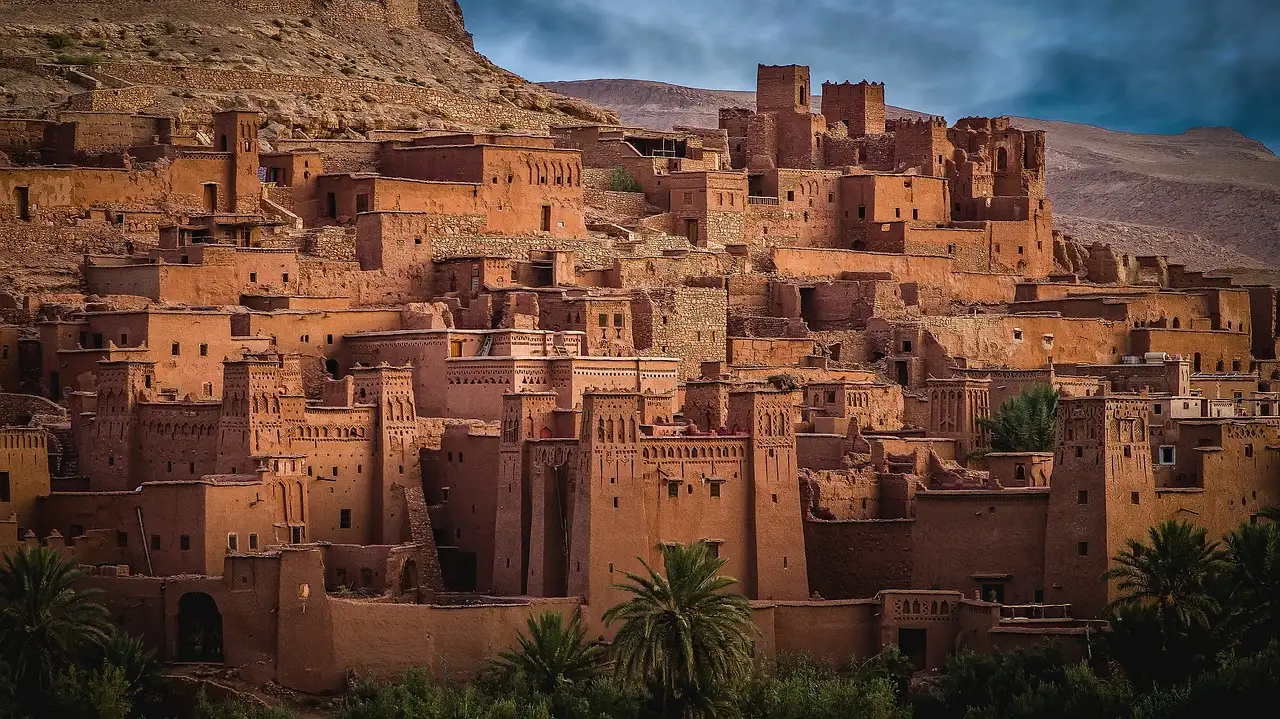
Cross the High Atlas via Tizi n'Tichka (2,260m) — the gateway to Morocco's south. Stop at Aït-Ben-Haddou UNESCO ksar, then visit the Atlas Film Studios in Ouarzazate — where Gladiator, Lawrence of Arabia and Game of Thrones were filmed. Evening walk along the Ouarzazate riverbank.
Drive east along the Valley of a Thousand Kasbahs. Stop at the Skoura palmeraie and the rose water cooperatives of Kelaat M'Gouna. Walk the floor of the Dades Gorge and then continue to the magnificent Todra Gorge — 300m vertical walls narrowing to 10m wide. Overnight in the gorge under the stars.
Cross the stony hammada desert plateau east toward Merzouga. Pass through Erfoud — known for its fossil workshops — and arrive at the Erg Chebbi dunes, the 150m-high orange dunes of Morocco's finest Saharan erg. Late afternoon camel trek along the dune ridge in the golden hour. Sleep in a traditional desert camp.
Pre-dawn alarm to climb the dunes for sunrise — the most dramatic 20 minutes in Morocco. Breakfast in the camp, then explore the Khamlia village for Gnawa music, visit a nomad family and take a 4x4 through the erg interior. Afternoon free to explore the dunes independently or rest in the camp shade. Second night under the stars.
Drive north through the dramatic Ziz Valley gorge — a long palm-oasis canyon cutting through red rock. Cross the Middle Atlas cedar forests via Midelt and arrive in Fès in the evening. Check into a riad in the heart of the medina. First evening walk through the lit lanes of Fès el-Bali.
Full day in Fès el-Bali — the world's largest living medieval city. Chouara tanneries from the leather merchant rooftop, Bou Inania Madrasa, the Nejjarine Fountain, the Kairaouine Mosque (oldest university in the world), the Andalusian quarter. Optional: 2-hour guided walk to navigate the 9,400 streets with a local guide.
Drive 60km to Meknès — the forgotten imperial city of Moulay Ismail, magnificent and far less touristed than Marrakech or Fès. Visit Bab Mansour — the most ornate gate in Morocco — and the Moulay Ismail Mausoleum. Then drive 30km to Volubilis, Morocco's best-preserved Roman city (UNESCO) with its triumphal arch, mosaics and columns. Return to Fès for a second night.
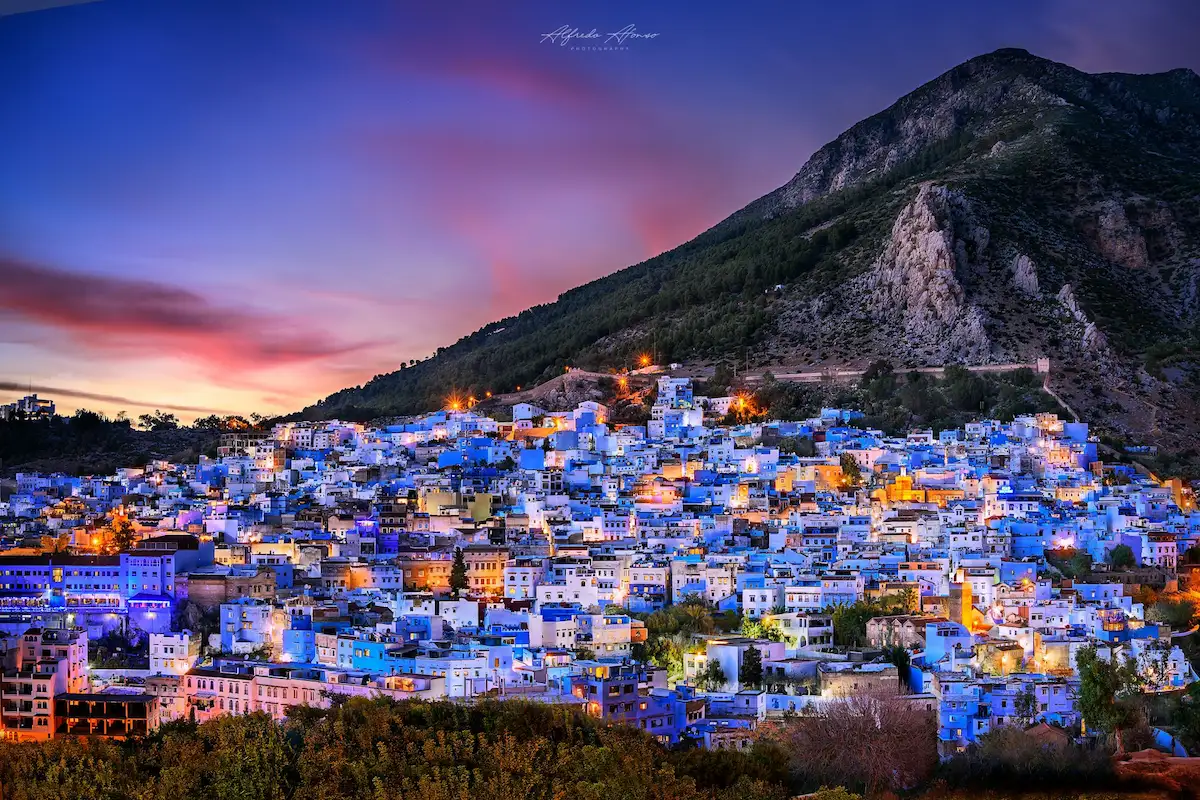
Northwest through the forested Rif range to Chefchaouen. Arrive for the afternoon and evening — the best light for photographing the blue medina. Wander the cascading blue alleys, have mint tea at Plaza Uta el-Hammam, climb to the Spanish mosque for the panoramic view over the rooftops and valley. The blue city is at its most magical at sunset and at dawn.
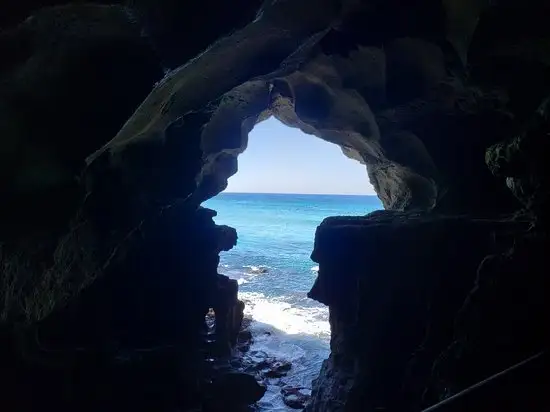
Early morning Chefchaouen, then drive northwest to Tangier — Morocco's most cosmopolitan city, where the Atlantic meets the Mediterranean. Visit the Kasbah and the Dar el-Makhzen palace museum, walk the Grand Socco and the Medina. Drive to Cape Spartel — the northwesternmost tip of Africa — where the Atlantic and Mediterranean oceans officially meet, 14km from Europe.
Drive south along the Atlantic coast, stopping at Asilah — a beautiful whitewashed coastal town with Portuguese ramparts and famous for its street murals painted annually during the arts festival. Continue to Rabat — visit Hassan Tower, the Mausoleum of Mohammed V, and the Chellah Roman-Berber necropolis with its stork nests and oleanders.
Morning in Rabat — the Oudaias Kasbah above the river mouth, then drive 90km south to Casablanca for the Hassan II Mosque, one of the world's great buildings. Continue to El Jadida for the extraordinary Portuguese Cistern (UNESCO) — a vaulted underground hall of pillars and reflected light that dates from 1514.
South along the coast to Essaouira — UNESCO-listed windy city of blue boats and white walls. Walk the 18th-century ramparts, browse the argan wood souks. Continue south through the argan forest (Biosphere Reserve) to Agadir for the evening. Detour to Taghazout surf village for the sunset if time allows.
Final day: stop in Taroudant — a beautifully intact walled Berber city in the Souss Valley orange-grove orchards, far less touristed than the imperial cities. Then return to Marrakech via the dramatic Tizi n'Test pass — a spectacular alternative to Tizi n'Tichka with vertiginous cliffs and Atlas views. Arrive in Marrakech by early evening for drop-off at airport, riad or train station.
What's Included
Transport covers driver and vehicle for all 14 days. Add hotels for a fully packaged grand tour.
✓ Always Included
- 🚗Private vehicle (sedan, van or minibus)
- 👨✈️English-speaking private driver
- ⛽All fuel and motorway tolls
- 📍All stops on the program
- 🕐Flexible daily departure times
- 📞WhatsApp support throughout
+ With Hotels Option
- 🏨13 nights — riads, kasbahs & desert camp
- 🍳Breakfast included daily
- 🌙2 nights Merzouga desert camp
- 🐪Sunset & sunrise camel treks
- 🏛️Guided walks in Fès & Marrakech
Frequently Asked Questions
Yes — one private driver for the entire journey. This is a key advantage of a private tour: your driver learns your preferences, pace and interests and the relationship builds over the two weeks. Most of our clients stay in touch with their Qimal driver long after the trip.
Completely. The itinerary above is a framework — we tailor it around your interests. Want to skip Tangier and spend an extra day in Chefchaouen Prefer Oualidia's lagoon over El Jadida Want to add a Marrakech cooking class Contact us and we'll build the route around you before you book.
Most days involve 2–4 hours of driving, usually with one or two scenic stops en route. The longest single transfer is Merzouga to Fès (around 5–6 hours, with a gorge stop). We generally start at 8:30–9am and arrive at each destination by early-to-mid afternoon, leaving the bulk of the day for sightseeing.
For 1–3 people, a comfortable air-conditioned sedan is ideal. For 4–6 people, our van gives more space for luggage on a long trip. For 7+ people, the minibus. We recommend upgrading to the van even for smaller groups on 14-day tours — the extra space for luggage and comfort over 2 weeks is worth it.