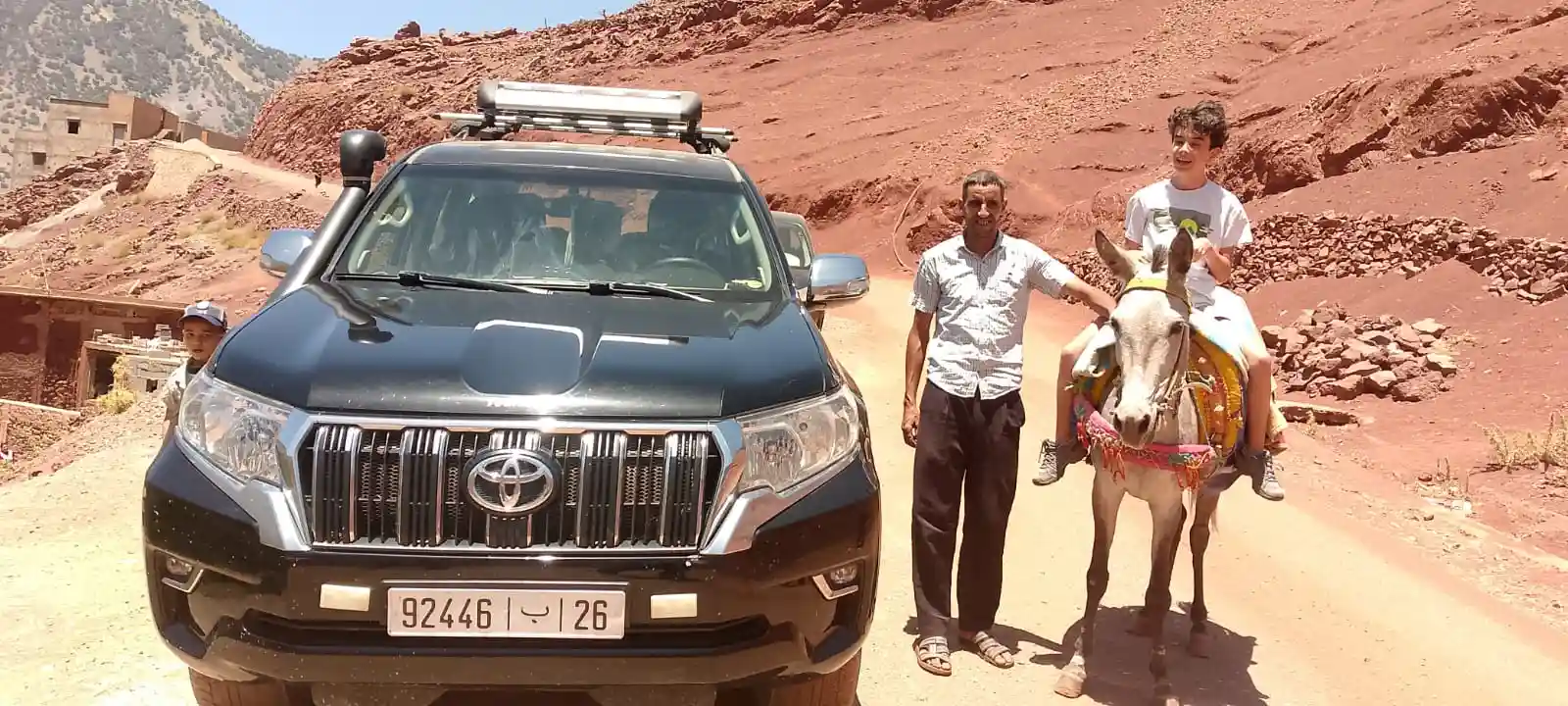
Berber Village Trek

Berber Villages in Morocco

Walk from village to village through Morocco's High Atlas Mountains and discover living Amazigh culture — terraced fields, family guesthouses and mint-tea hospitality, all led by local Berber guides.

Local Amazigh Guides
Family Guesthouses
Small Groups
Real Hospitality
Atlas Experts

Trekking the Berber Villages of Morocco

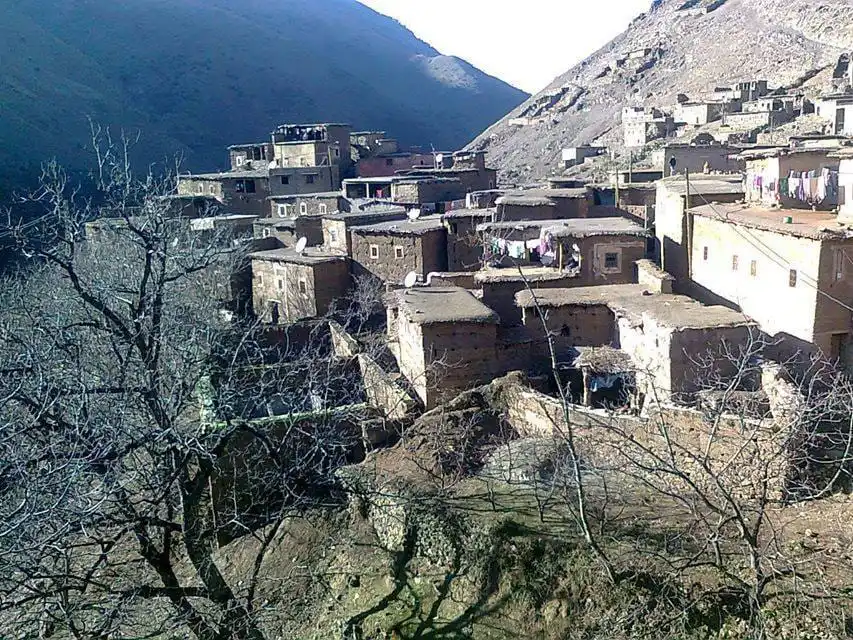
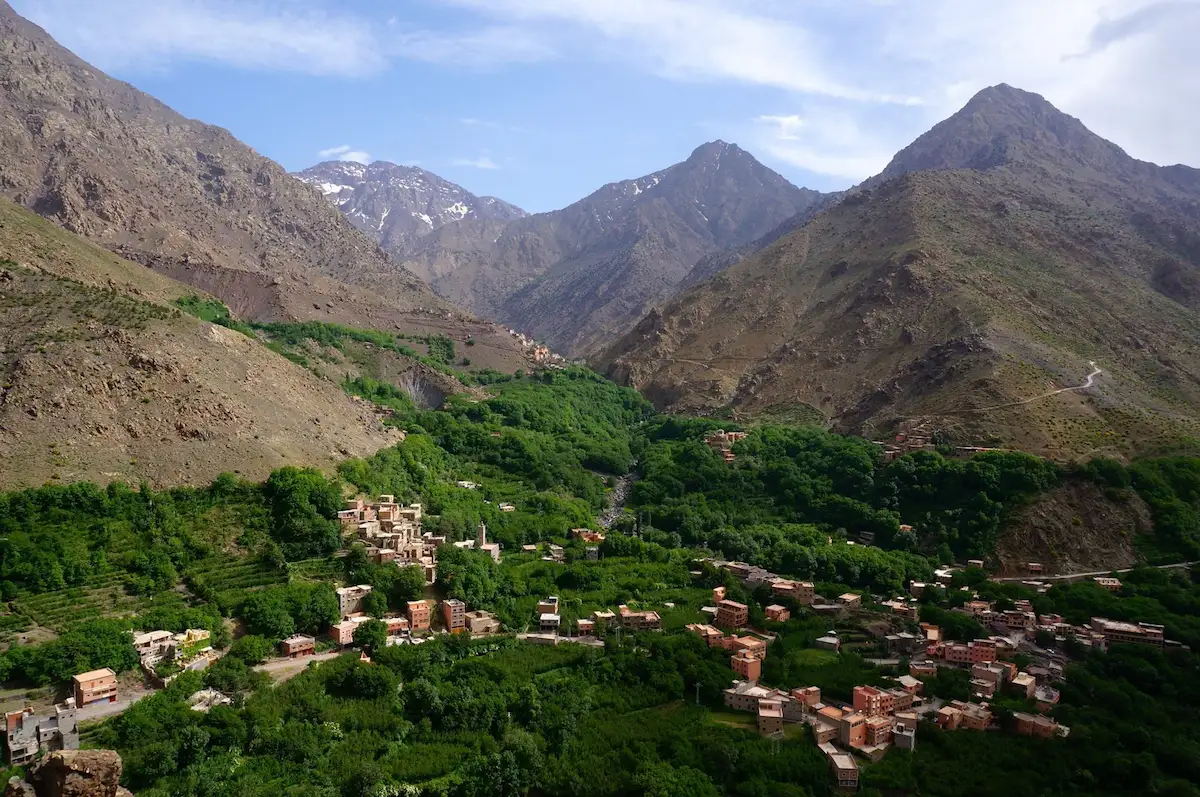
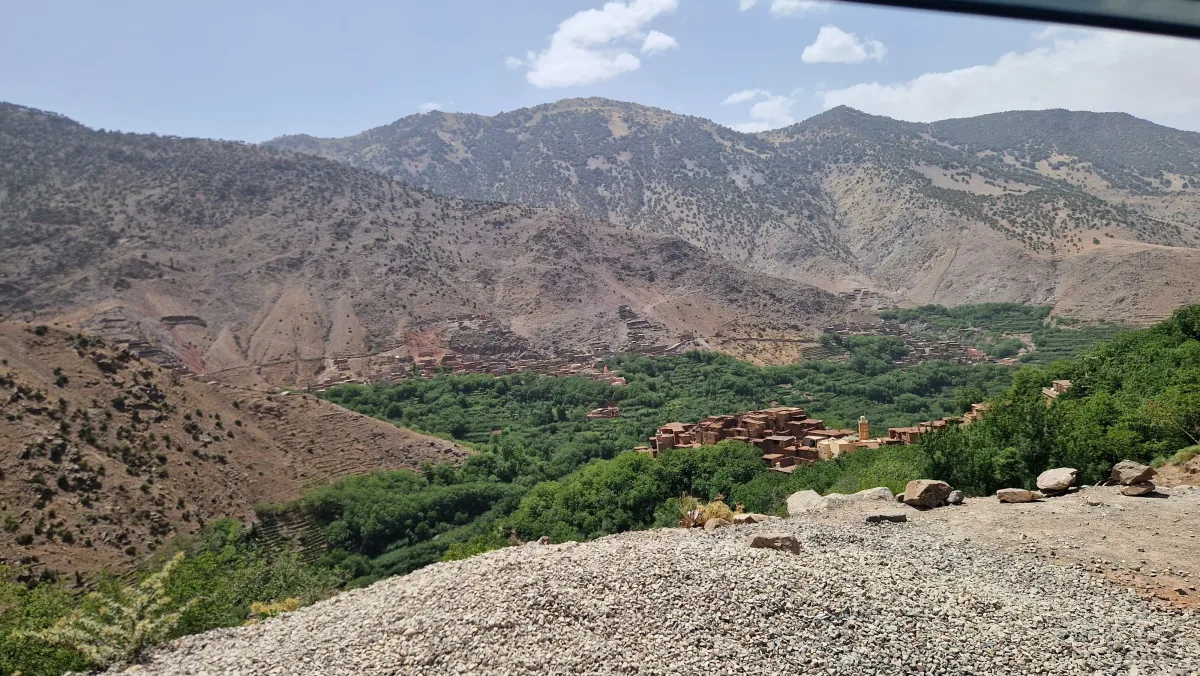
The Berber villages of Morocco are scattered across the folds of the High Atlas Mountains — clusters of stone and mud-brick houses clinging to steep valleys, surrounded by terraced fields, walnut groves and orchards. Home to the indigenous Amazigh (Berber) people, these mountain hamlets offer some of the most authentic and welcoming travel in the country, and the best way to reach them is on foot.

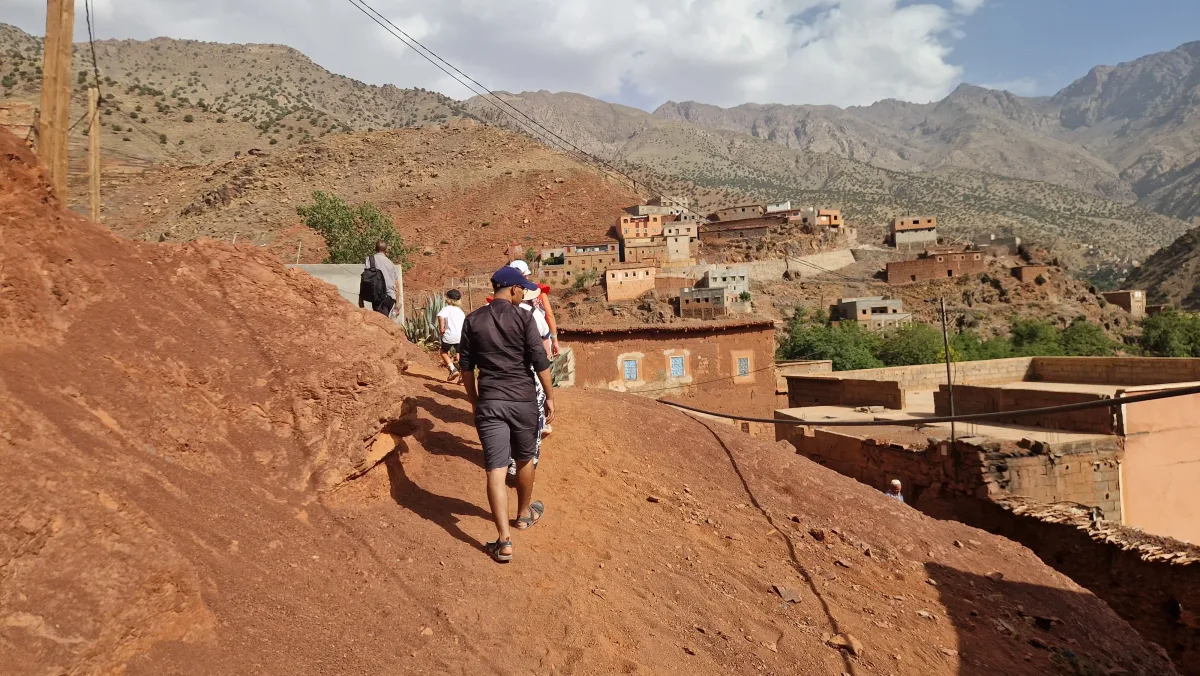
A Berber village trek links one hamlet to the next along gentle valley paths and old mule tracks, so you experience the mountains at walking pace. You pass farmers working the terraces, share mint tea with families, and sleep in simple village guesthouses beneath 4,000 m peaks. It is the perfect introduction to trekking in the Atlas Mountains — rich in culture, easy underfoot and open to walkers of every level.

Most village treks start from Imlil, just 90 minutes from Marrakech, and can last anything from a single day to a relaxed multi-day loop through the Toubkal region. Whether you want a short cultural walk or a deeper immersion in Amazigh life, these villages are the heart of our wider trekking in Morocco collection.

Village-to-village walking Gentle trails link stone hamlets across the terraced High Atlas valleys
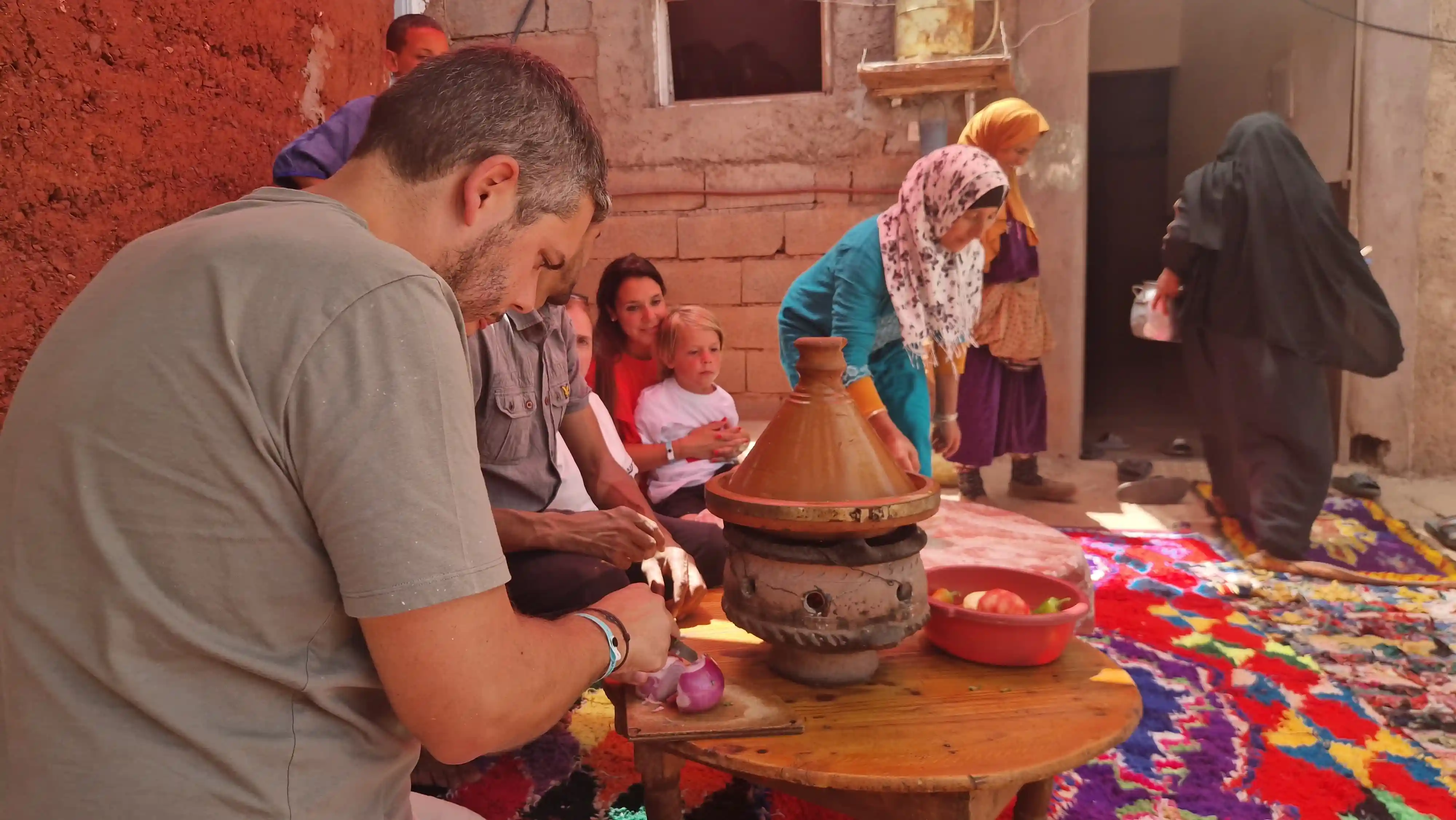
Genuine Amazigh hospitality Mint tea, home-cooked tagines and warm welcomes from mountain families
90 minutes from Marrakech The closest living mountain culture to the city, easy as a day trip
Travel that gives back Local guides, cooks and guesthouses keep your money in the mountains

Why Visit Berber Villages in Morocco

Authentic culture, spectacular mountain scenery and the warmest welcome in Morocco — here is why a Berber village trek belongs on every High Atlas itinerary.

Living Amazigh Culture

These are working communities, not open-air museums. You see terraced farming, mule trains and traditional crafts as part of everyday life that has continued for centuries.

Legendary Hospitality

Amazigh families are famous across Morocco for welcoming strangers as guests, with endless mint tea, fresh bread and a genuine warmth that stays with you long after the trek.

Breathtaking Scenery

The villages sit among some of Morocco's most dramatic landscapes — snow-dusted peaks, deep green valleys, waterfalls and terraces stacked up impossibly steep slopes.

Easy, Rewarding Walking

Village treks follow gentle valley paths and mule tracks, making them ideal for beginners and families while still delivering big mountain views at every turn.

Real Mountain Food

Slow-cooked tagines, couscous and bread baked in village ovens, made with produce from the terraces — simple, delicious food shared around the family table.

Responsible Travel

Trekking with local guides and staying in family guesthouses channels your spending straight into the villages, helping sustain a fragile mountain way of life.

The Most Beautiful Berber Villages in the Atlas Mountains

From the trekking hub of Imlil to remote high hamlets and the greener valleys of the central Atlas, these are the Berber villages worth walking to.

Imlil

At 1,740 m in the Ait Mizane Valley, Imlil is the gateway to Mount Toubkal and the natural starting point for almost every Berber village trek in the High Atlas.

Aroumd (Around)

The largest village in the Ait Mizane Valley, a short walk above Imlil, with tiered stone houses, big mountain views and welcoming guesthouses on the Toubkal trail.

Tacheddirt

One of the highest permanently inhabited villages in the region at around 2,300 m, reached over a scenic pass — remote, dramatic and gloriously peaceful.

Tizi Oussem & Azzaden

The quiet, green villages of the Azzaden Valley, west of Imlil over the Tizi Mzik pass — classic gentle village-to-village walking.

Setti Fatma & Ourika

Set in the lush Ourika Valley below its famous seven waterfalls, these riverside villages are among the easiest and greenest to reach from Marrakech.

Ait Bougmez

The Happy Valley of the central High Atlas — a broad, fertile valley of flat-roofed villages, painted mosques and terraced fields, and one of Morocco's most beautiful.

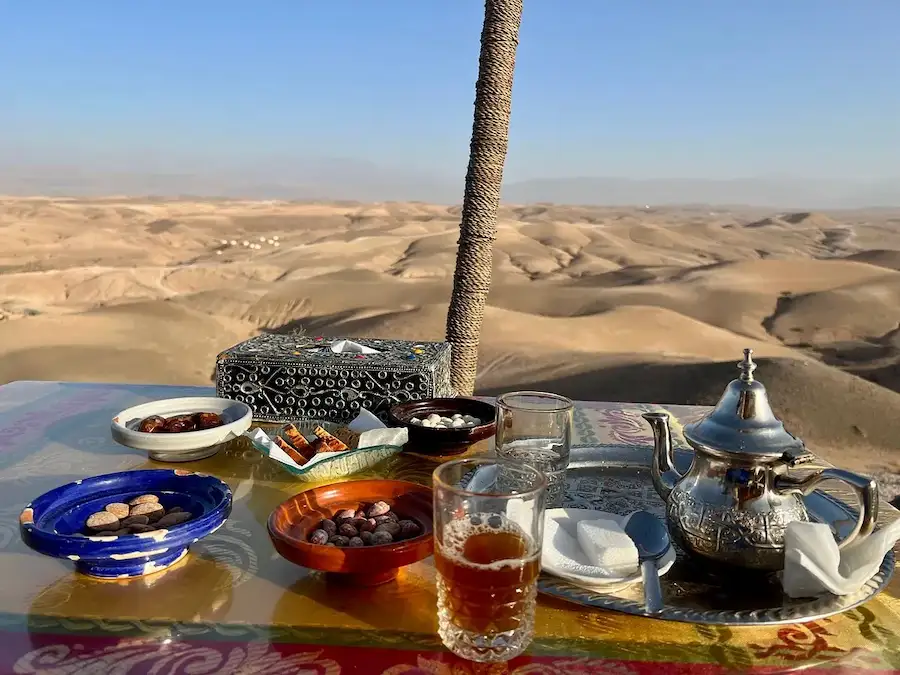
Sharing traditional mint tea with a Berber family in a High Atlas mountain village Amazigh hospitality

Traditional Amazigh Culture & Hospitality

The Amazigh (Berber) people are the indigenous inhabitants of North Africa, and in the High Atlas they have farmed these valleys for thousands of years. Their culture — language, food, music and above all hospitality — is what makes a village trek so much more than a walk.

An ancient languageVillagers speak Tamazight, distinct from Arabic, written in the striking Tifinagh script — a living link to more than 4,000 years of history.
Guests are sacredAmazigh tradition treats a guest as a gift. Expect to be welcomed with mint tea and bread wherever you go, whether you are staying the night or simply passing through.
Mountain cuisineSlow-cooked tagines, hearty berber omelettes, couscous and fresh bread from the village oven — simple, generous food grown on the surrounding terraces.
Music, craft & weavingAhwash drumming, hand-woven rugs and carpets, and silver jewellery all carry Amazigh symbols and stories passed down through generations.
The weekly soukVillage life still revolves around the weekly market, such as the Saturday souk at Asni, where mountain communities trade produce, livestock and crafts.
Featured Berber Village Treks

From a single day out of Marrakech to a multi-day village-to-village loop, these are the best ways to experience the Berber villages of the High Atlas — pick the one that suits your time and pace.

Day Walks vs Multi-Day Village Treks

A single day gives you a taste of Berber life; a multi-day trek lets you sleep in the villages and go deeper. Here is how the two compare so you can pick what fits your trip.

 Day Village WalksMulti-Day Village Treks
Duration A single day from Marrakech or Imlil, back the same evening 2 to 6 days linking several villages and valleys on foot
Fitness level Easy — a few hours of gentle walking suits almost everyone Easy to moderate — comfortable walking 3 to 6 hours over several days
Accommodation None needed — you return to your Marrakech hotel or riad Nights in Berber family guesthouses (gites) in the villages
Cultural depth A friendly introduction: a village visit and mint tea Full immersion — shared meals, evenings and daily life with hosts
Ideal traveller Time-pressed visitors wanting a taste of the mountains Travellers seeking authentic culture, quiet valleys and true immersion
A traditional Berber guesthouse and family home in a High Atlas mountain village Family guesthouses

Staying with Local Families & Guesthouses

On a multi-day village trek you sleep in Berber family guesthouses, known locally as gites. It is the single most memorable part of the journey — comfortable, authentic and a world away from an anonymous hotel.

Simple, comfortable roomsClean shared or private rooms with thick blankets and mattresses on the floor or in beds — cosy and warm even on cold mountain nights.
Home-cooked mealsDinner and breakfast are prepared by your host family — tagines, soups, bread and fresh mint tea, usually shared together around a low table.
Life with your hostsEvenings by the fire, conversation with your guide translating, and a real window into daily Amazigh mountain life you cannot get any other way.
Direct supportStaying in village gites puts your money straight into the community, helping families earn a living without leaving the mountains.

Best Time to Visit Berber Villages

Berber villages welcome walkers year-round, but each season offers a very different mountain. Here is how spring, summer, autumn and winter compare for village trekking.

SeasonTemperaturesTrail & Village ConditionsBest For
Spring
Mar–May
Valley 14–22°C; cool nights; snow lingering on the peaks early on Green terraces, blossom and full streams; lower village paths clear and inviting The prime season for village treks — lush scenery, warm days and easy walking.
Summer
Jun–Aug
Warm-hot in the valleys (25–33°C); fresher at higher villages Dry, dusty trails; walk early and rest in shaded courtyards through midday Higher villages and early starts; combine with a Toubkal summit for cooler air.
Autumn
Sep–Oct
Warm, stable 15–25°C days; cold nights at altitude Settled weather, golden light and the walnut and apple harvest in the villages Rivals spring as the best all-round season for culture and comfortable walking.
Winter
Nov–Feb
Mild in the valleys by day (8–16°C); cold, often snowy on the peaks Snow high up; lower villages stay walkable, with cosy guesthouse evenings Atmospheric snowy scenery and quiet villages; keep to lower-altitude routes.

What to Expect on a Village Trek

A Berber village trek is relaxed, sociable and deeply rewarding. Here is a taste of what a typical day walking between the villages of the High Atlas actually looks like.

A Local Amazigh Guide

You walk with a licensed guide born in these valleys, who knows the paths, the families and the history — and translates so you can really connect with your hosts.

Gentle Trails

Expect valley paths, terraces and old mule tracks with modest ascent, at a steady pace set to your group — there is always time to stop, look and take photos.

Mule Support

On multi-day treks a mule and muleteer carry the luggage between villages, so you walk with just a light day pack and enjoy the scenery unburdened.

Tea Stops

Days are punctuated by mint-tea breaks in village homes and shaded courtyards — unhurried pauses that are as much about people as they are about rest.

Hearty Meals

A cooked lunch on the trail and a generous evening tagine in your guesthouse — simple mountain food that tastes all the better after a day walking.

Starry Village Nights

Far from city lights, the evenings bring brilliant stars, the sounds of the village and a warm welcome by the fire before an early, restful night.

A muleteer and mule supporting trekkers between Berber villages in the High Atlas Travel that gives back

Supporting Local Mountain Communities

Life in the High Atlas is beautiful but hard, and tourism done well is a lifeline. Every Berber village trek we run is designed so your visit benefits the communities that welcome you and helps protect their way of life.

Local guides & muleteersWe hire licensed Amazigh guides, cooks and muleteers from the mountains, creating fair work that keeps families in their villages.
Village guesthousesStaying and eating in family-run gites channels your spending directly into the community rather than outside operators.
Respectful travelSmall groups, modest dress and genuine curiosity keep visits welcome and help preserve the traditions that make these villages special.
Caring for the mountainsWe follow leave-no-trace habits and carry out our waste, helping keep the trails and valleys as unspoiled as we found them.

Berber Village Trek FAQ

The Berbers, who call themselves the Amazigh (meaning free people), are the indigenous inhabitants of North Africa and have lived across Morocco for more than 4,000 years. In the High Atlas Mountains they farm terraced fields, herd flocks and live in stone and mud-brick villages much as their ancestors did. They speak Tamazight, a language distinct from Arabic, and are known throughout Morocco for their warm hospitality, mountain resilience and rich traditions of music, weaving and cuisine.
Absolutely. Visiting a Berber village is one of the most authentic and rewarding experiences in Morocco. Set among dramatic Atlas peaks, terraced fields and walnut groves, these living Amazigh communities offer genuine hospitality, home-cooked tagines, mint tea and a glimpse of a mountain way of life that has changed little in generations. Reaching them on foot with a local guide, rather than by tour bus, turns a simple walk into a real cultural journey and directly supports the families who host you.
Yes, very easily. The Berber villages of the High Atlas are the closest genuine mountain culture to Marrakech. Imlil, the main trailhead, is just 65 km and about 90 minutes south of the city, so you can leave your riad in the morning and be walking between Amazigh villages by lunchtime. This makes a Berber village trek possible as a single day trip from Marrakech, or as a relaxed two to three-day walk staying overnight in family guesthouses.
Yes. Many Berber villages have family-run guesthouses (gites) where you sleep, eat and share mint tea under the same roof as your hosts. It is a warm, unhurried and completely authentic experience: simple, comfortable rooms, home-cooked mountain meals and the chance to learn about daily Amazigh life. Staying with a local family is the highlight of most village treks and keeps your money directly in the mountain community that welcomes you.
Not usually. Berber village treks are among the most accessible walks in the High Atlas and are well suited to beginners and families. Trails follow gentle valley paths, mule tracks and terraces linking one village to the next, with modest ascents and plenty of rest stops for tea. Distances and pace are set to suit your group, and on multi-day routes a mule carries the luggage, so you only walk with a light day pack. Fitter walkers can add higher passes or a Toubkal summit for extra challenge.
Spring (April to June) and autumn (September to October) are the best times to visit Berber villages in the Atlas, with green or golden valleys, warm days, comfortable trails and clear mountain light. Summer is hot in the valleys but pleasant early and higher up, while winter brings snow to the peaks, cosy guesthouse evenings and atmospheric village walks at lower altitude. Berber villages are welcoming year-round, so the right season simply depends on the scenery and temperatures you prefer.

Berber villages are the heart of the High Atlas. Explore the rest of the Qimal trekking collection, from summit climbs to the mountain gateway of Imlil.

Trek the
Berber Villages

Tell us your dates, your pace and how long you have, and our local Amazigh guides will craft your ideal Berber village trek — free advice, no pressure.