Climb North Africa's highest mountain and experience the spectacular High Atlas Mountains with experienced local Amazigh guides — from the Berber village of Imlil to the 4,167 m summit.
The Roof of North Africa
Mount Toubkal (Jbel Toubkal) rises to 4,167 metres in the heart of Morocco's High Atlas Mountains, making it the highest mountain in North Africa and the Arab world. Yet it sits just 63 km south of Marrakech, so you can go from a rooftop cafe in the medina to a Berber trailhead in about 90 minutes.
That rare combination of a genuine 4,000 m summit with easy access has made the Toubkal trek the most popular mountain adventure in Morocco, ideal for active travellers and trekkers. In summer it is a strenuous but non-technical hike: no ropes, no climbing skills — just fitness, altitude and a long, rewarding summit push from the village of Imlil.
Whether you have two days or want a relaxed three-day ascent, our licensed local guides handle every detail so you can focus on the mountain. Toubkal is the flagship of our wider trekking in Morocco collection and pairs perfectly with an Atlas Mountains day trip.
Choose Your Route
From a fast two-day ascent to a private summit and a full winter mountaineering expedition — pick the Toubkal trek that fits your time, fitness and season.
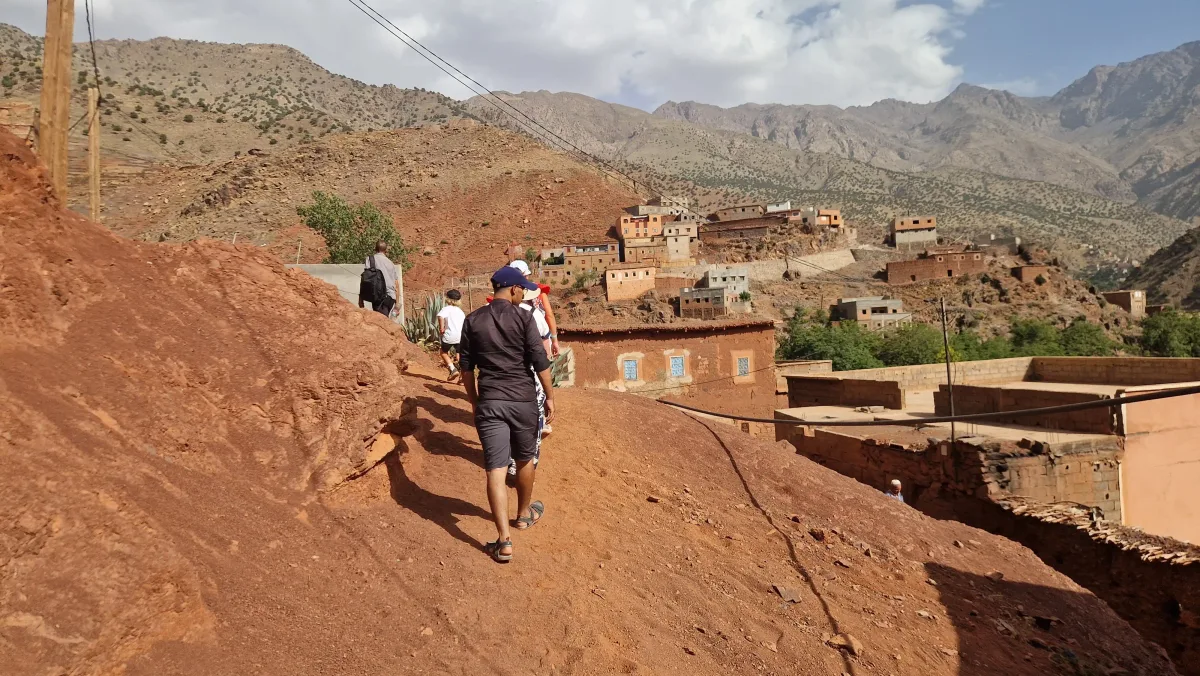
2 days
Classic Ascent
The classic express summit: trek Imlil to the Toubkal Refuge on day one, then summit and descend on day two. Ideal if you are short on time but well prepared.
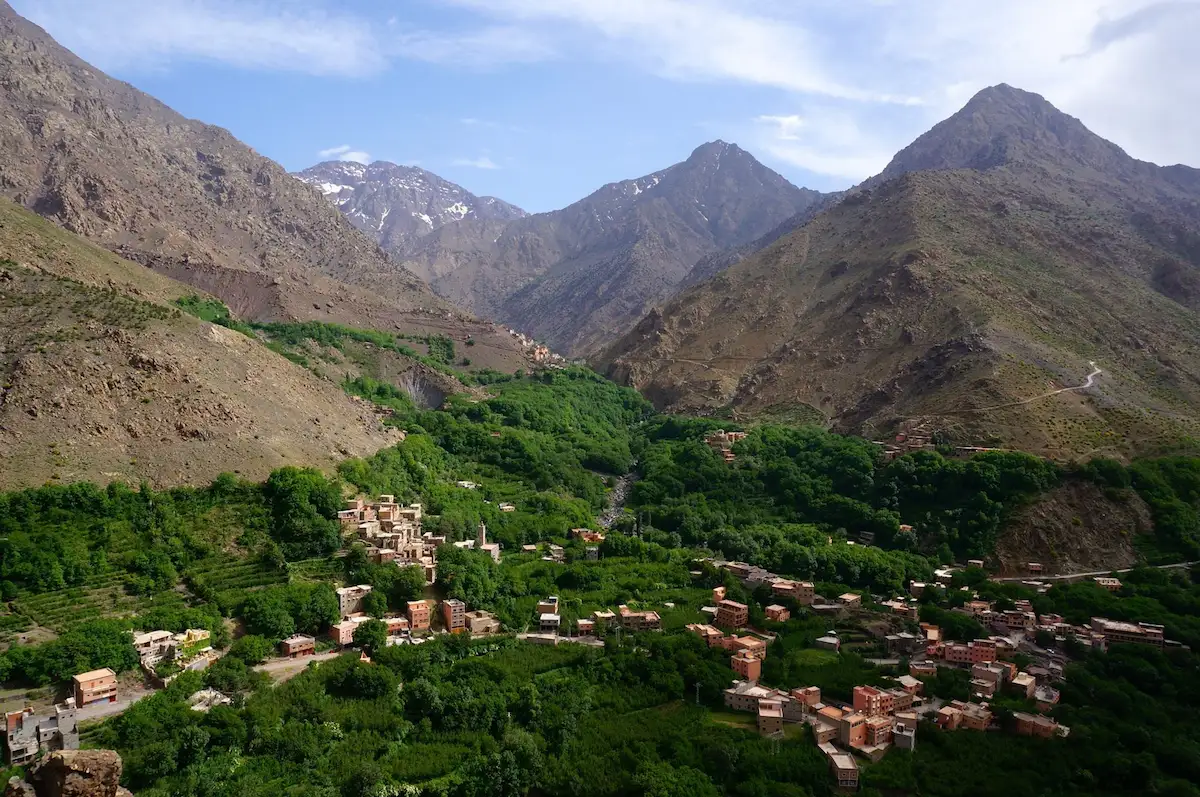
3 days
Best Success Rate
Our recommended route. An extra acclimatisation day or Berber village night gives your body time to adjust, boosting comfort and your chance of reaching the top.
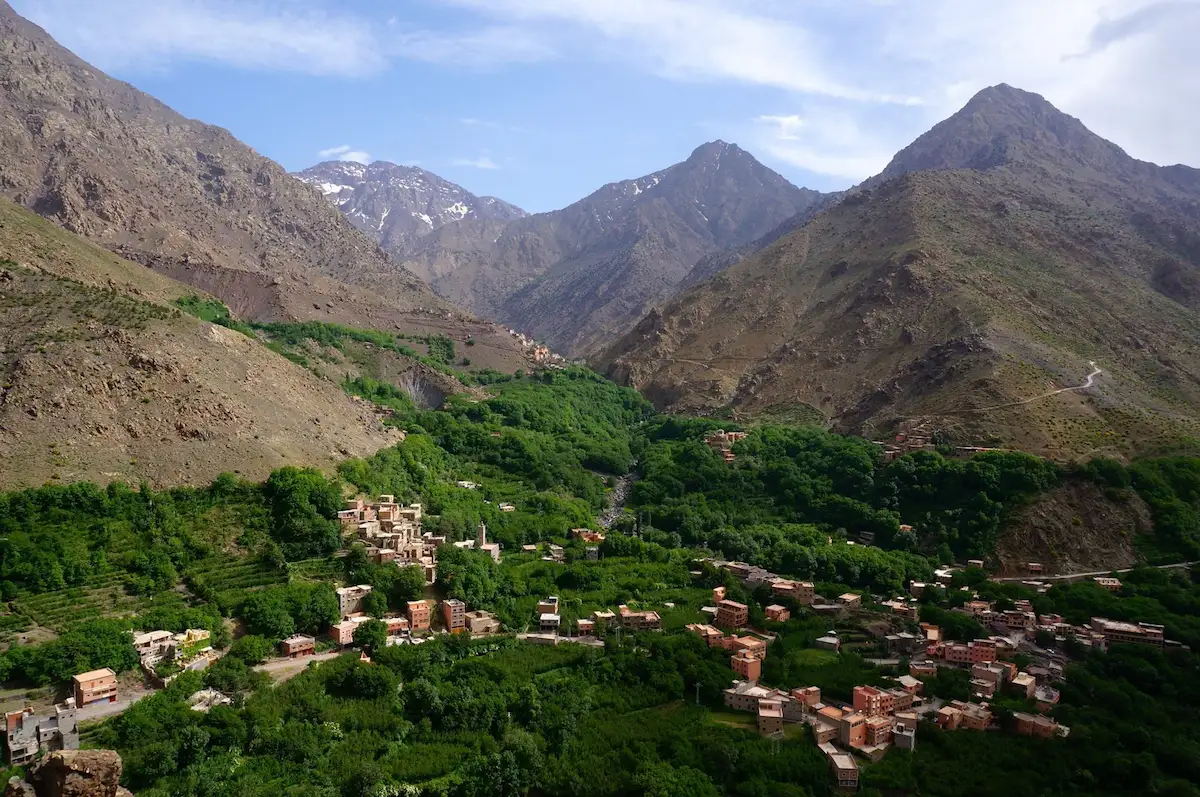
2–4 days
Just Your Group
Your own private guide, pace and dates — perfect for families, couples and friends who want a tailor-made ascent with flexible timing and personal attention.
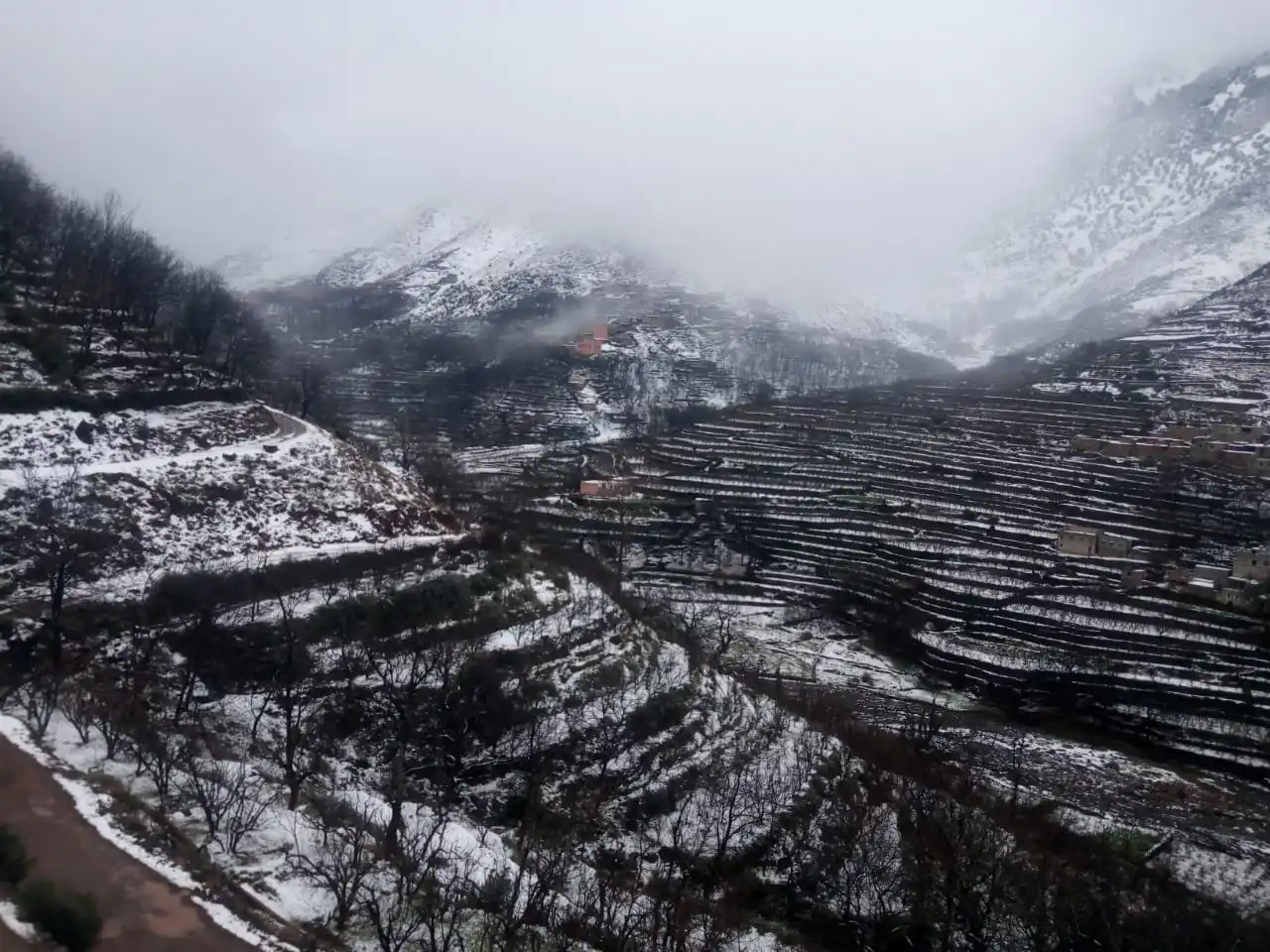
2–3 days
Snow & Ice
From December to March, Toubkal becomes a true winter mountaineering objective on snow and ice, using crampons and an ice axe with an experienced high-mountain guide.
How Hard Is It?
In summer, Mount Toubkal is graded as challenging but non-technical. There is no rock climbing, no rope work and no glacier travel on the normal route — the difficulty comes from long days, a big overall ascent and, above all, the thin air near 4,167 metres. If you can comfortably hill-walk for 6–8 hours with sustained uphill and enjoy it, you have the fitness for Toubkal.
Altitude is the real test. Above 3,000 m the air holds far less oxygen, so even fit walkers slow down and can feel the effects on the summit day. This is exactly why we recommend the three-day itinerary: an extra night to acclimatise dramatically improves both comfort and your chance of reaching the top.
Strong beginners can and regularly do summit Toubkal. You do not need previous high-altitude or mountaineering experience for a summer ascent — just honest general fitness, some hill-walking training beforehand and a steady, experienced guide setting the pace. In winter the grade jumps sharply: snow and ice make it a genuine mountaineering climb.
Step by Step
The classic Toubkal route climbs from the Berber village of Imlil to a mountain refuge, then pushes for the summit before dawn. Here is the ascent, stage by stage.
Every Toubkal trek begins in Imlil, a Berber village about 90 minutes by road from Marrakech. From here the trail follows a clear mule path up the valley past the shrine of Sidi Chamharouch, gaining height steadily through walnut groves and rocky gorges.
Day one is a 5–6 hour ascent of around 10–11 km to the Toubkal Refuge at 3,207 m. You sleep here to break the climb and let your body begin acclimatising — the single most important step for a successful summit.
You set off before dawn for the summit push. A steep zig-zag climb up scree gains the south cwm and the final ridge, reaching the 4,167 m summit in around 3–4 hours for a sunrise panorama across the entire High Atlas — and, on a clear day, the edge of the Sahara.
After time on the summit you retrace the route down to the refuge for lunch, then continue all the way back to Imlil. In total the round trip covers roughly 22–24 km with about 2,400 m of ascent and descent from the trailhead.
Overnight at 3,207 m
Where You Sleep
Halfway up the mountain, the Toubkal Refuge (Refuge des Mouflons, formerly the Neltner Hut) sits at around 3,207 metres. This is where trekkers spend the night before the summit push — a warm, communal mountain base with a second CAF refuge close beside it.
Rules & Safety
Yes — a qualified local mountain guide is officially required for Mount Toubkal. Since new mountain regulations were introduced, guides are checked at the Toubkal National Park entrance in Imlil, and independent trekkers without an accredited guide can be turned back before the trailhead.
Beyond the rules, a guide is simply the smart choice on a 4,000 m mountain. Your guide manages route-finding, reads fast-changing mountain weather, watches everyone for signs of altitude sickness and sets a steady, sustainable pace — the difference between a hard slog and a summit you enjoy. In an emergency, a local guide knows exactly where the shelter, water and escape routes are.
Hiring a local Amazigh guide also keeps your money in the mountains, supporting village families, cooks and muleteers. Every Qimal Tours Toubkal trek includes a licensed guide born in the Atlas, so you meet the regulations and get the safest, richest experience on the peak.
Why Toubkal
A genuine high-altitude summit, extraordinary Atlas panoramas and living Berber culture — all within easy reach of Marrakech.
At 4,167 metres, Toubkal is the highest mountain on the continent — a landmark summit and a genuine bucket-list achievement.
From the top, a 360-degree panorama sweeps across a sea of 4,000 m peaks, deep valleys and, on a clear day, the distant edge of the Sahara.
The trek begins in Imlil and passes through Amazigh villages where families welcome trekkers with mint tea, tagines and warm mountain hospitality.
The Imlil trailhead is around 90 minutes by road from Marrakech, so you can trek North Africa's highest peak on a short, well-organised trip.
In summer Toubkal needs no technical skills. With good fitness, a sensible three-day itinerary and a steady guide, first-time trekkers regularly summit.
Our licensed Amazigh mountain guides were born in these valleys. They manage altitude, weather and pace to keep every summit day safe.
Mountain Conditions
Toubkal can be climbed year-round, but the weather and snow change the experience completely. Here is the mountain season by season.
| Season | Temperatures | Snow Conditions | Recommendation |
|---|---|---|---|
| Spring Mar–May |
Imlil 15–22°C; summit near or below freezing; clear, lengthening days | Snow lingers high early on, clearing through May | Excellent from late spring — green valleys, blossom and a mostly snow-free summit. |
| Summer Jun–Aug |
Hot in Imlil (30°C+); cool and pleasant up high; occasional afternoon storms | Effectively snow-free on the normal route | The most reliable window for a non-technical summit. Start walking early to beat heat and cloud. |
| Autumn Sep–Oct |
Warm, stable 15–24°C days; crisp, cold nights at altitude | Snow-free until the first storms in late autumn | Rivals spring as the best season — settled weather, golden light and clear summit views. |
| Winter Nov–Feb |
Sub-zero and often windy up high; short daylight hours | Deep snow and ice on the upper mountain | A serious winter mountaineering ascent needing crampons, an ice axe and experience. |
When to Climb
If your goal is a straightforward, snow-free summit, timing is everything. Here is when the mountain is at its best.
Late spring (April–June) and autumn (September–October) are the sweet spot — warm, stable days, clear skies and a summit largely free of snow. High summer works too, with early starts.
From April to October the normal route is essentially snow-free and non-technical. From November to March, snow and ice make Toubkal a winter mountaineering climb requiring crampons and an ice axe.
Weekends and midsummer are busiest at the refuge. For a quieter mountain, choose a weekday ascent in late spring or early autumn — the same great weather, far fewer trekkers.
Which to Choose
The two-day trek is faster and cheaper; the three-day trek gives you an extra acclimatisation night and a much higher chance of summiting comfortably.
| 2 Day Toubkal Trek | 3 Day Toubkal Trek | |
|---|---|---|
| Duration | 2 days, 1 night at the refuge | 3 days, 2 nights (refuge plus an acclimatisation or village night) |
| Difficulty | Harder — big ascent and summit crammed into two long days | More manageable — the climb is spread over an extra day |
| Acclimatisation | Minimal; higher chance of feeling the altitude on summit day | Much better; the extra night helps your body adapt before the summit |
| Summit success | Good for fit, well-prepared trekkers | Highest success and comfort rate for most people |
| Ideal traveller | Fit hikers short on time who have been to altitude before | First-timers, families and anyone wanting the best chance to summit |
Gear Checklist
Mountain weather changes fast and the summit is far colder than Imlil. Pack for four seasons in one day and keep your day pack light.
Safety-first mountain team
Trek Safely
Toubkal is safe for prepared trekkers, but it is a real 4,000 m mountain. The risks are environmental rather than technical — altitude, weather and terrain — and every one of them is managed by trekking with an experienced local guide and preparing properly.
Good to Know
Explore More
Toubkal is the crown of the High Atlas, but the range is full of quieter valleys and village walks. Explore the rest of the trekking cluster.
Ready to Summit?
Tell us your dates, fitness and preferred season, and our local Amazigh guides will build your ideal Toubkal ascent — free advice, no pressure.